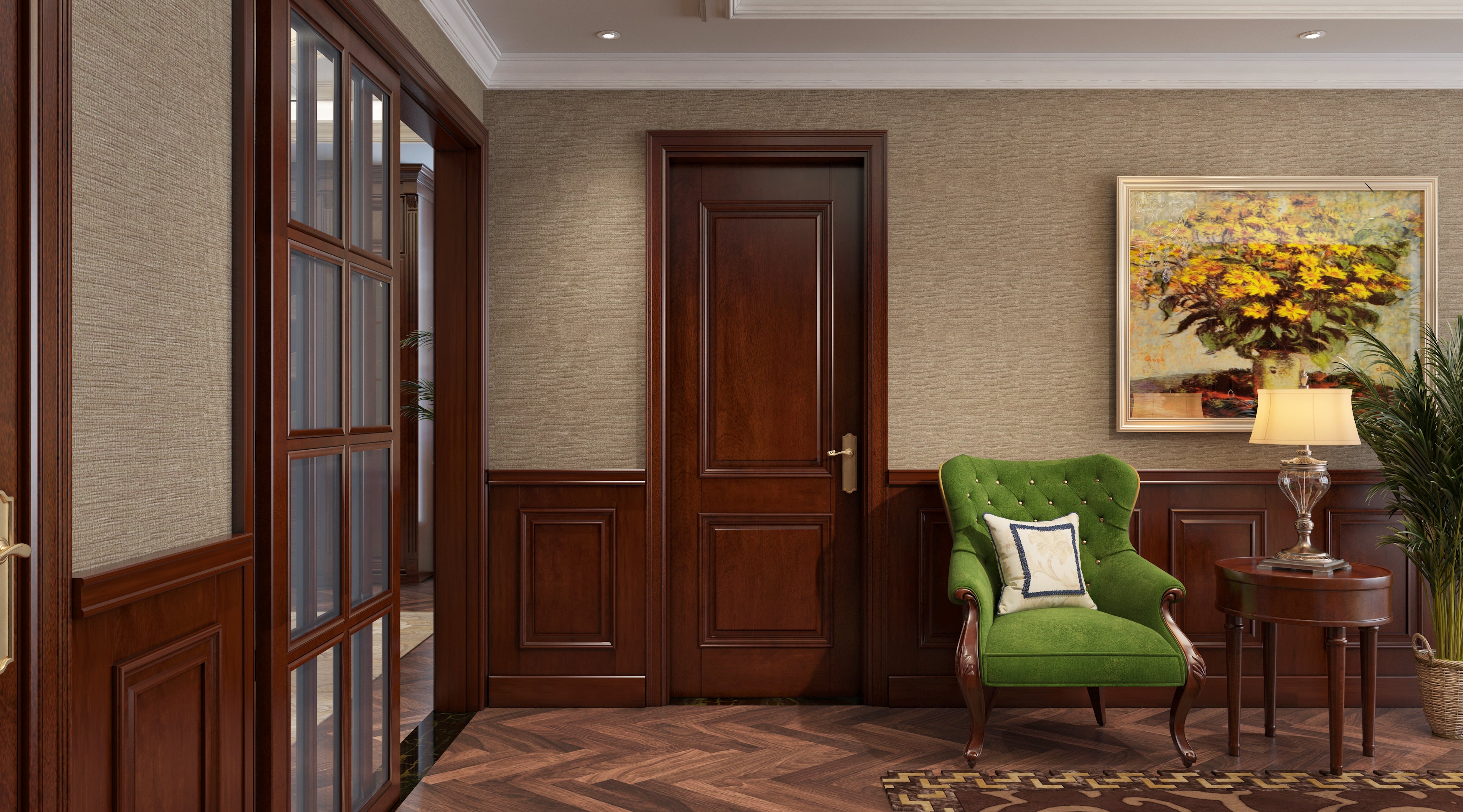

Why Cabinet Maker Mistakes Are More Common Than You Think
Choosing a cabinet maker often feels straightforward—compare prices, review designs, and move forward. However, cabinetry mistakes are among the most expensive and difficult to correct once production begins.
Many issues do not appear immediately. Problems such as poor fit, weak materials, or inconsistent finishes often surface months or years later, making prevention far more valuable than correction.

Mistake #1: Choosing Based on Price Alone
One of the most common cabinet maker mistakes is selecting a supplier solely on the lowest quote. While budget matters, unusually low pricing often signals compromises in materials, hardware, or quality control.
A professional cabinet maker explains pricing clearly and aligns cost with material grade, construction method, and customization level.
Mistake #2: Ignoring Material Specifications
Not all boards, finishes, and hardware perform the same way. Failing to verify material specifications can lead to swelling, delamination, or premature wear—especially in kitchens and bathrooms.
When choosing a cabinet maker, ask for clear documentation of materials, finishes, and moisture-resistance standards.
Mistake #3: Overlooking Internal Structure and Hardware
Cabinet quality is defined by what lies beneath the surface. Weak drawer boxes, low-grade runners, or poorly reinforced panels may look acceptable initially but fail under daily use.
A reliable cabinet maker prioritizes internal construction and load performance, not just exterior appearance.
Mistake #4: Assuming Customization Is Unlimited
Many buyers assume all custom cabinet makers offer unlimited flexibility. In reality, some operate within restricted systems that limit dimensions, finishes, or configurations.
Clarify early what level of customization is truly available to avoid late-stage design compromises.
Mistake #5: Failing to Review Past Projects
A cabinet maker’s experience is best evaluated through completed projects. Without reviewing similar work, buyers risk choosing a supplier unfamiliar with their project type.
Ask for references or examples that match your scale—whether residential, commercial, or multi-unit developments.
Mistake #6: Underestimating Lead Time and Production Capacity
Production delays can disrupt entire renovation or construction schedules. Smaller cabinet makers may struggle with large orders or tight timelines.
Choosing a cabinet maker with structured production planning reduces scheduling risk and ensures delivery consistency.
Mistake #7: No Clear Quality Control Process
Quality issues often stem from a lack of inspection standards. Without defined checkpoints, defects may go unnoticed until installation—or later.
Professional cabinet makers implement systematic quality checks throughout production, not just at the final stage.
Mistake #8: Overlooking Installation and Coordination
Even well-made cabinets can fail if installation considerations are ignored. Accurate measurements, appliance coordination, and site conditions must be addressed early.
A competent cabinet maker supports installation planning to prevent costly on-site adjustments.
Mistake #9: No After-Sales Support Plan
Cabinetry is a long-term investment. Issues such as adjustments, replacements, or technical questions may arise after installation.
A trustworthy cabinet maker provides clear after-sales support, protecting the buyer’s investment over time.
How Professional Cabinet Makers Reduce These Risks
Experienced cabinet makers mitigate risk through structured processes, material transparency, and scalable manufacturing systems. Clear communication and documentation help align expectations from design to delivery.
GoldenHome’s Risk-Control Approach
With decades of experience in custom cabinetry, goldenhome addresses common cabinet maker pitfalls through integrated design systems, intelligent manufacturing, and strict quality control. This approach reduces inconsistency and supports reliable outcomes for residential and commercial projects alike.

FAQ: Common Questions About Cabinet Maker Problems
Q: How can I tell if a cabinet maker is reliable?
A: Look for clear material specifications, project references, defined timelines, and documented quality processes.
Q: Are custom cabinet problems common?
A: Problems usually arise from poor planning or inexperienced suppliers—not from customization itself.
Q: Can cabinet maker mistakes be fixed after installation?
A: Some issues can be adjusted, but many require replacement. Prevention is always more cost-effective.
Conclusion: Smart Choices Prevent Costly Cabinet Problems
Most cabinetry issues are avoidable with the right preparation and partner selection. Understanding common cabinet maker mistakes empowers buyers to ask better questions and make informed decisions.
By prioritizing transparency, experience, and professional processes, homeowners, dealers, and developers can achieve cabinetry solutions that perform well and last for years.