Why Cupboard Door Style Has a Major Impact on Cost
When homeowners receive cabinet quotes, many are surprised by how much prices vary—even when the kitchen layout stays the same. One of the biggest reasons is cupboard styles door.
Cabinet doors account for a large portion of both material and labor costs. Different door styles require different construction methods, finishes, and levels of craftsmanship.

How Door Construction Affects Cost
The way a cupboard door is built directly influences production time and materials.
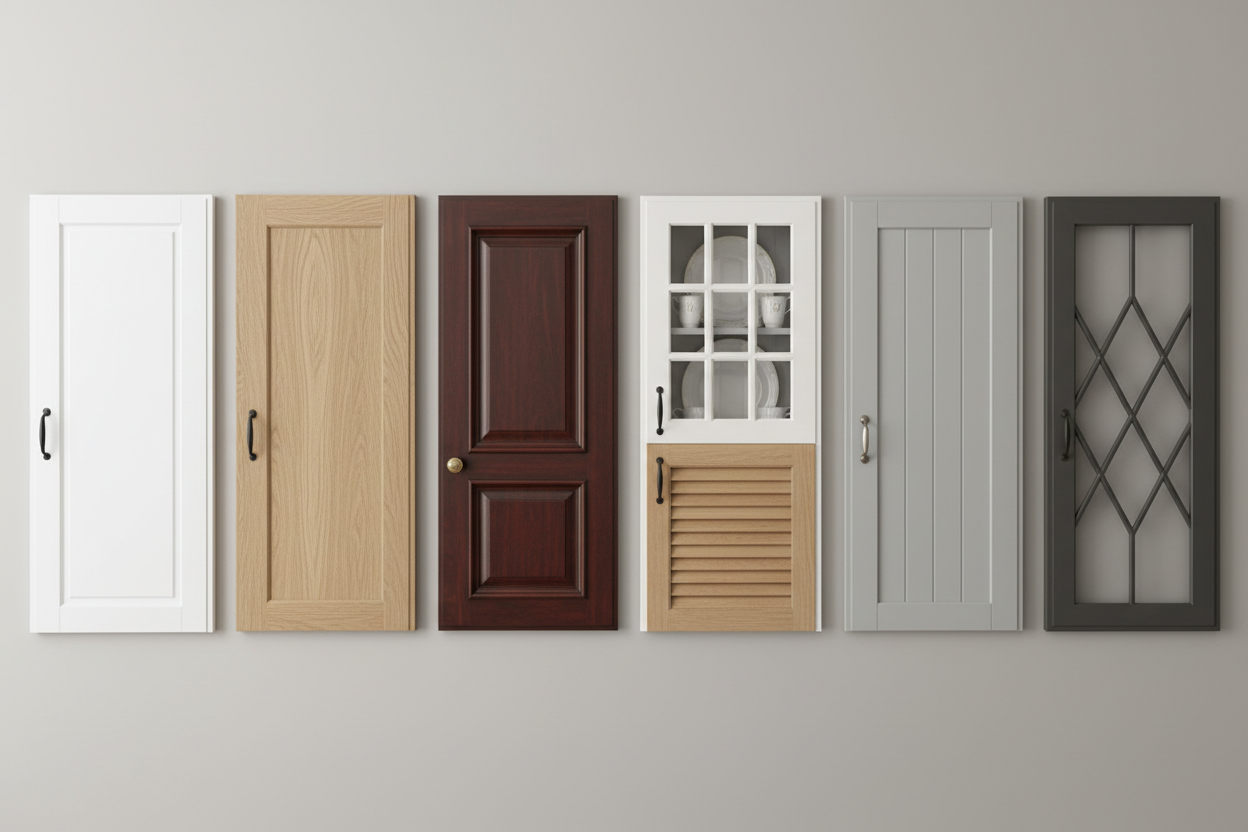
Flat Panel (Slab) Doors
- Simplest construction
- Fewer components
- Lower labor requirements
Flat panel doors are often the most cost-efficient option, especially for large kitchens.
Shaker Doors
- Multiple components (frame + panel)
- More assembly steps
- Mid-range labor cost
Shaker doors balance affordability with visual detail, which is why they are so widely used.
Raised Panel and Decorative Doors
- Complex profiles and detailing
- Higher labor and machining time
- Premium pricing
Material Choices and Their Cost Impact
Beyond style, material selection significantly affects cabinet door pricing.
Common Door Materials
- MDF or engineered wood
- Plywood-core doors
- Solid wood components
Solid wood doors typically cost more due to material expense and finishing requirements.
Finish Type: A Major Price Variable
Finish choice can sometimes impact cost more than door style itself.
Painted Finishes
- Require surface preparation
- Multiple coating steps
- Higher labor cost for smooth results
Wood Veneer and Stain Finishes
- Highlight natural grain
- Material quality matters greatly
- Often priced at a premium
High-Gloss Finishes
- Additional polishing processes
- Higher rejection rates during production
- Increased cost compared to matte finishes
Door Thickness and Edge Detailing
Thicker doors and refined edge profiles add material cost and machining time.
Slim shaker and modern doors may appear simple, but precision detailing often increases production complexity.
Hardware and Door Mechanisms
Door style also determines hardware requirements.
Cost-Influencing Hardware Choices
- Soft-close hinges
- Integrated handle channels
- Push-to-open systems
Handleless modern doors typically require more advanced hardware solutions.
Customization Level and Pricing
Standard door styles are more cost-efficient than highly customized designs.
Custom Cost Drivers
- Non-standard sizes
- Special finishes or colors
- Matching doors across multiple spaces

Modern Cupboard Door Styles vs Traditional: Cost Comparison
Modern doors often appear simpler but are not always cheaper.
- Flat panel doors: lower base cost
- Slim shaker doors: moderate cost due to precision
- Traditional raised panels: highest labor cost
What This Means for Homeowners
Understanding how cupboard styles door affect pricing helps homeowners make informed decisions.
- Choose door styles that match budget and goals
- Invest in finishes where they matter most
- Avoid paying for unnecessary detailing
What This Means for Distributors and Designers
For distributors, explaining door-related cost differences builds trust and improves conversion.
Manufacturers such as GoldenHome design door systems that balance style variety with controlled production costs, helping partners offer competitive pricing across markets.
Final Thoughts
Cupboard styles door play a major role in cabinet pricing—but cost differences are not random.
By understanding construction, materials, finishes, and hardware, homeowners and professionals can choose door styles that deliver the best balance between design impact and budget efficiency.